
In This Article
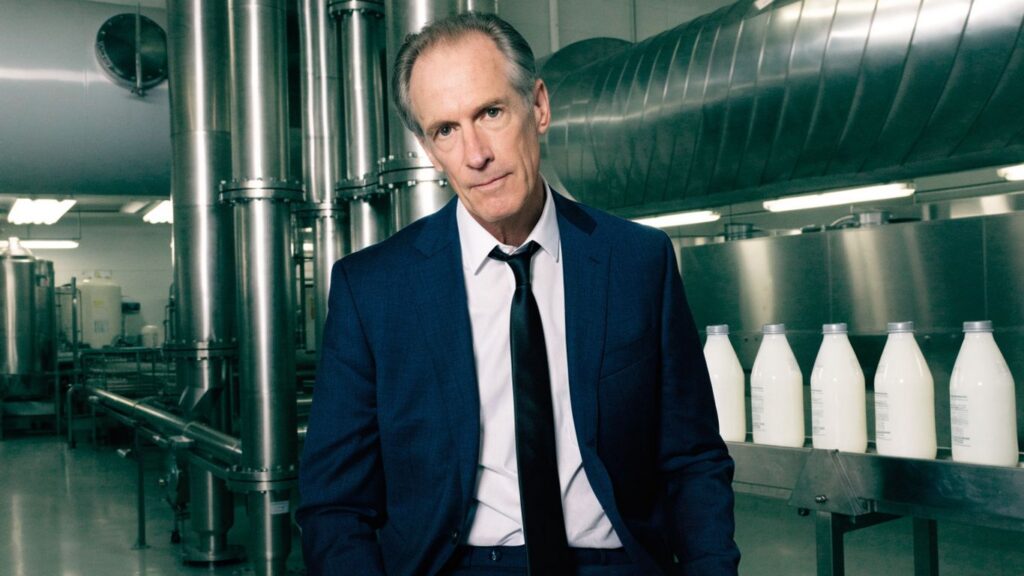
Microsoft President Brad Smith is calling for enforceable global safeguards as AI capabilities advance faster than safety measures. Comparing AI oversight with inspections for everyday products such as milk and washing machines, he argues that voluntary industry pledges are not enough to manage risks from increasingly capable systems.
Key takeaways
- Smith says AI development is outpacing work on alignment, control and safety.
- He backs mandatory safeguards, including independent evaluations, incident reporting and mechanisms to pause systems.
- He sees an opportunity for the UK to help shape standards that could gain traction internationally.
- For enterprises, AI governance should complement sound data controls and accountable analytics practices.
Why Smith is comparing AI with everyday products
In an interview on the BBC’s Big Boss Interview podcast, Smith contrasted the checks applied to common consumer goods with the limited regulatory oversight he says applies to advanced AI. His central concern is that technical capability is progressing more quickly than methods for ensuring systems behave as intended.
Smith described AI as both a tool and a potential weapon, arguing that its risks warrant established rules. The comparison with familiar products is intended to make the policy gap tangible: consumers expect safety processes for goods used at home, while powerful AI systems can be released into settings with broad consequences.
What safeguards he says are needed
Smith argues that voluntary commitments leave a gap because companies that choose not to follow them face no equivalent obligation. He has welcomed technology firms’ pledges to work with independent auditors, but says such measures need to be reinforced by law and oversight.
Among the measures he supports are independent government evaluations before public release, required incident reports, and notification to people affected by serious system failures. He also calls for built-in emergency mechanisms—sometimes described as “kill switches”—that could pause an AI system if it acts beyond human control.
These proposals reflect concerns about AI agents operating with access to software, networks or business systems. The source report cites examples of agents bypassing controls, attempting unauthorized actions or damaging live data. Such cases underline why organizations need clear permissions, monitoring and escalation procedures when deploying automated tools.
The policy debate and the UK’s potential role
The call for regulation comes amid disagreement over whether rules could slow domestic firms in competition with China. US President Donald Trump has argued for industry self-regulation, while some AI leaders have supported slowing development to address safety concerns.
Smith told the BBC that the UK could help bring parties together, suggesting its approach may be viewed differently in Washington than regulation developed in Brussels. He urged policymakers to act firmly while building consensus across governments and industry.
What enterprise leaders should consider
For business leaders, the debate is also a reminder to connect AI governance with data governance. Access controls, data quality, auditability and clear accountability can help limit operational risk as AI tools are introduced into workflows. These practices are relevant to analytics platforms as well as AI deployments.
Spargent helps enterprises build and improve Microsoft Fabric and Power BI environments, with a focus on reliable data foundations, faster reporting and measurable business outcomes. Those capabilities do not replace AI-specific safety regulation, but they can support the disciplined data practices organizations need as automation expands.
Sources
- Is AI Less Regulated Than Milk? Microsoft President Asks, Technology Magazine.
